Health Care Systems Oncology, Imaging and Pharmacology, particularly for Prostate Cancer.
Technology that interests me: Sensors (Radar, Sonar, EO/IR,Fusion) Communications, Satellites, Unmanned Vehicles (UAV), Information Technology, Intelligent Transportation
: 3101 20th St San Francisco, California 94110 United States
: Added: Sep 03, 2015 8:34 am
Since its inception in 1992, DARPA's Microsystems Technology Office (MTO) has helped create and prevent strategic surprise through investments in compact microelectronic components such as microprocessors, microelectromechanical systems (MEMS), and photonic devices. MTO's revolutionary work applying advanced capabilities in areas such as wide-band gap materials, phased array radars, high-energy lasers and infrared imaging have helped the United States establish and
maintain technological superiority for more than two decades. As MTO evolves to address future challenges in microsystems, the office has identified four target problem areas:
(1) our critical reliance on the electromagnetic spectrum,
(2) the decentralization of effects within the battlefield,
(3) the impending end of Moore's law, and
(4) embracing and thriving in the internationalized technology base.
There is inherent overlap between these spaces which is rife with opportunity to explore solutions.
Award
Otherlab will study four new flight concepts in a study phase, then build a prototype of the most successful concept (also known as "downselected").
Given the importance and utility of the state-of-the-art, which is still simple parachutes that haven't improved much in many years, there is considerable opportunity to be optimistic that one or more of the platforms can radically transform or improve the state of the art in quickly making a more robust and longer endurance technology. A more specific description of the technical work can be found in the following section.
We are building some exciting new flying machines and are looking for
good engineers to join our team. Our quick-turn, prototype environment
requires a self starter who loves working in small, agile teams with
fast design, build, and test cycles.
A number of technological advancements have been made that allow us
to take a new look at what is possible in aircraft. The advances include
stronger, lighter structural materials, high power density and
efficient electric motors, high energy density batteries, low-cost
autonomous flight controls, and lighter weight communications packages.
We are assembling a team with expertise in these areas to build several
flavors of novel autonomous aircraft. This is a rare opportunity to
enable new flight platforms.
Candidates should be willing to work with a far-flung team, with travel 10% of time to both domestic and international sites.
To apply for Flying Things jobs please write
mark@otherlab.com
A simpler way to communicate with your doctor, schedule appointments and manage your health.
Features:
- request your medical record from any doctor
- securely exchange messages with your doctor
- easily schedule appointments
- centrally manage all your medical records
Why Healthjump?
Paper
charts are a thing of the past. Healthcare has experienced an overhaul,
and with Healthjump it is now easier than ever to ensure your doctor
has the most up-to-date information about you and your health. For the
first time ever Healthjump enables you to access and share your medical
record with your doctors and specialists.
Healthjump, based in Phoenixville, pulls together a patient’s disparate health records into one master record. That record, in turn, goes to the patient and the patient’s doctors. Cavanaugh, the company’s CTO, and his cofounders believe that they can lower the number of medical mistakes this way, by making medical records accessible, by giving them back to the people whose lives and bodies they chronicle. The company has raised $1 million from angel investors, like Saleh Daher of Boston angel group Walnut Venture Associates, and strategic investors like Premier Orthopaedics.
The product has been live for a year and a half, and anyone can sign up to get their medical record for free, though Cavanaugh says that the product is still in beta and they’re working on improving the
experience. (If your doctor isn’t a Healthjump doctor, Healthjump requests the records from your doctor. They’re legally bound to release your records if you ask for them, Cavanaugh said.)
Now available on iTunes!https://itunes.apple.com/us/album/sup...
and CD Baby!! 50% of proceeds go to Zero Cancer! http://www.cdbaby.com/cd/jimmycharles5
This
song was written to help save and inspire so many that are going
through this horrible Disease of all types by stressing the importance
of regular checkups and catching the disease early on. So many of us
think that we are invincible and Cancer only happen to others but the
idea of "No Ones Superman" is that we all need to be aware and be
checked regularly! Also, If diagnosed It is important that the patient
does not suffer alone knows it is ok to be vocal and ask for help. So
many Cancer patients, especially Men with Prostate Cancer suffer in
silence! We flew Cancer Survivor Phil Shulka in to music row to help us
write the song. Phil mentors Cancer patients using his own experiences
to help them through. He sat down and just talked for an hour about
everything he has been through. Goose and I were taking notes and
listening hard and we came out with something truly magical! I couldn't
be prouder of our work and excited to make an impact and fight back to
Prostate Cancer and all Cancer!! The idea of "You Ain't Superman" is to
wake people up to importance of getting checked! . We want them and
everyone to know that Yes you are Strong but No One is Superman and you
don't have to fight this Battle on your own and you do need to get
checked even if you feel Healthy as an OX! God Bless all of you touched
by this disease we I hope this song will save lives and provide healing
to those who have lost! God Bless!
I remember sitting down one day and starting to cry. I still
had the catheter inside me following the removal of my prostate
gland. I had been told that this operation can be quite depressing. I think it
goes back to how it affects reproduction. Although I had got to the stage where
I didn’t have kids, it was still an emotional journey being told I couldn’t
have them. I’m still dealing with that. I don’t think that emotional impact is really
recognised. I was diagnosed with prostate
cancer three years ago at the age of 49. Initially, I thought that there
might have been some weakness in my bladder, as happens when you get older. The
diagnosis came as a result of my doctor monitoring my PSA (prostate-specific
antigen) levels and carrying out a test. My father had prostate cancer, so that
was a factor. He got it in his 80s and had chemotherapy. He lived for about
four years after the treatment.
The sensitive nature of male-specific
cancers mean many men tend to ignore symptoms, failing to self-examine and only
presenting to physicians at a late stage. Prostate cancer is the most common
male-specific cancer, with testicular and penile cancer being relatively
uncommon. Prostate cancer has experienced advances in treatment in recent
years, although unmet needs still exist with potential solutions being studied.
Indeed, if diagnosed and treated in its early stages, prostate cancer has a
very good prognosis, with 100% of patients living beyond five years. However,
if the cancer has spread it becomes more difficult treat and there remains a
need for effective therapies for metastatic prostate cancer and
castrate-resistant prostate cancer. Other male cancers tend be relatively rare,
which makes them less of a priority for research and development. Indeed,
compared with many female cancers, male cancers receive less attention and
lower levels of funding, being seen as the poor relation.
Visit ProstateCancer911.com
or call 212.365.5000 to set up your free phone consultation to talk with Dr.
Samadi about the right prostate cancer treatment for you.
Resistance training (RT) improves muscular strength, physical functioning
and quality of life in prostate cancer survivors, but the optimal frequency of
RT is unknown. We conducted a pilot randomized controlled trial to compare the
effects of 3 versus 2 days per week of RT in prostate cancer survivors
diagnosed within the past 2 years.
A trend (P<0 .10="" and="" class="mb" span="">/
or potentially meaningful
effects (standardized effect size d0.20) were found favoring 3 days per week over 2 days per week
for the primary outcome of lower body strength (mean difference=27.8kg; 95% confidence interval=−0.9 to 56.5; P=0.057; d=0.72)
and for the secondary outcomes of 30-s chair stand (d=0.29;
P=0.31), sit and reach (d=0.24; P=0.33), 6-min walk (d=0.21;
P=0.42) and the physical component summary (d=0.21; P=0.41).
Conversely, a trend and/or potentially meaningful
effects were found favoring 2 days per week over 3 days per week for the mental
component summary (d=−0.38; P=0.10),
mental health (d=−0.44; P=0.11),
vitality (d=−0.31; P=0.28), role-emotional
(d=−0.23; P=0.43), anxiety (d=0.32; P=0.29), happiness (d=−0.31; P=0.36) and perceived stress (d=0.23; P=0.39).
although it certainly tastes good and some preliminary studies have suggested
a role for pomegranate juice on the progression of prostate cancer, this study
suggests that there isn't much of a benefit.
Eating a healthy diet that includes tomato products is one step men can take
to reduce prostate cancer, according to the American Institute for Cancer
Research. That’s good news, since prostate cancer is the second most common
cancer among American men.
One disease-fighting agent in tomato products that has received a lot of
attention is a phytochemical (beneficial compound in plants) called lycopene.
It acts as an antioxidant, protecting against cancer by preventing cell damage
in the body. Lycopene is the pigment that gives tomatoes, pink grapefruit,
watermelon, guavas and papayas their red color.
·The promise: Revive your sex life Advertisements
claim that testosterone therapy might ease the lethargy and restore the lost
libido that can accompany low levels of the hormone in men. Combating a condition
that the ads refer to as “low T,” it is suggested, will boost your sex drive
and help you reclaim energy.
·The potions: Prescription testosterone
treatments are FDA-approved, but only for men with hypogonadism, a failure to
produce enough testosterone due to disorders of the testicles, pituitary gland
or brain. Still, the therapy can be prescribed off-label.
·The science: Testosterone therapy can increase
risks for heart attacks, strokes and blood clots. Research also suggests the
treatment might encourage the growth of existing prostate cancer, boost the
likelihood of sleep apnea and cause the enlargement of the prostate, the growth
of breast tissue, swollen feet and a lower sperm count. If you have low energy
or libido, see a doctor. The culprit actually might be stress, medications, depression,
diabetes, obesity or too little sleep or exercise.
SAN DIEGO – Scripps Health will collaborate with Ed Randall’s Fans for the
Cure (ERFFTC) to provide free prostate cancer screenings to fans at the San
Diego Padres game against the Los Angeles Dodgers at Petco Park Sept. 3.
The screenings will be open to all male ticket holders at the game who are
50 or older (or 40 and older with a family history of prostate cancer).
Screenings will be administered from first pitch (7:10 p.m.) until the seventh
inning at the Scripps Mobile Medical Unit, which will be located in the Park at
the Park, beyond the right-field fence.
A team of Scripps phlebotomists will administer prostate-specific antigen
(PSA) blood tests, while Scripps physicians will administer digital rectal
exams from the privacy of the Mobile Medical Unit.
Participants will receive test results via confidential mail. Educational
materials about prostate cancer will also be available.
“PSA screenings save lives,” said Carl Rossi, M.D., a radition oncologist
and medical director of the Scripps Proton Therapy Center. “The cure rate for
prostate cancer has increased significantly since
widespread use of PSA testing began in the early 1990s. When diagnosed
early, at the local or regional stages, national survival rates are
nearly 100 percent.”
Major recommendations The USPSTF recommends against PSA-based
screening for prostate cancer due to
moderate or high certainty that the test has no net benefit or the harms outweigh the benefits (grade D). The AUA
recommends shared decision making for
men aged 55 to 69 years; for men electing to be screened, an interval of 2 years or more may
be preferable to annual screening. The
AUA recommends against PSA screening in men younger than 40 years, against routine screening between
ages 40 and 54 years for men at average risk, and against routine screening in
men older than 70 years or any man with
less than a 10- to 15-year life expectancy.
Investigators led by Kosj Yamoah, MD, of Thomas Jefferson University
Hospital in Philadelphia, examined mRNA expression of 20 biomarkers associated
with prostate cancer initiation and progression by ethnicity. The researchers
matched 154 African American to 243 European American patients from 4
institutions based on the Cancer of the Prostate Risk Assessment postsurgical
scores (CAPRA-S) of their tumors.
According to results published in the Journal of Clinical Oncology, 6
biomarkers showed significant differential expression in black men: ERG, AMACR,
SPINK1, NKX3-1, GOLM1, and androgen receptor. Risk of stage 3 PCa in African
American patients was predicted by dysregulation of specific biomarkers (AMACR,
ERG, FOXP1, and GSTP1) as well as by tumor suppressor mutations in NKX3-1 and RB1
that caused loss of function. In addition, dysregulation of GOLM1, SRD5A2, and
MKi67 predicted 3-year biochemical recurrence and metastasis at 5 years. The
researchers observed that more African American than European American patients
(51 vs. 35%) had triple-negative PCa (i.e., absence or low levels of ERG, ETS,
and SPINK1).
Evolving over time, the Gleason scoring system has remained a crucial tool
for prognosis and treatment decision making in prostate cancer. A recent study
proposes a modification to the current Gleason system that should more
accurately risk stratify patients and enable clinicians to make more
appropriate treatment decisions.
Good news for prostate cancer patients in the U.S. Genomic Health, Inc. (GHDX
- Analyst Report) recently received
the final local coverage determination (LCD) for its Oncotype DX prostate
cancer test, which is the only test specifically developed and validated for
low-risk male candidates, for active surveillance.
NEW YORK, Aug. 18, 2015
/PRNewswire/ -- Revolutionary genetic test, Oncotype DX from Genomic
Health, is now offered at Dr.
Samadi's Prostate Cancer Center in New York City.
For men with an elevated PSA, high-risk for prostate cancer or who've had a previous
biopsy, Oncotype DX may be the next step in assessing the potential growth rate
of the tumor or how aggressive the cancer currently is. This directly leads to
which treatment option is right for the patient. This genetic test gives us the
ability to treat each patient individually," said Dr. Samadi.
Researchers in The YCR Cancer Research Unit in the Department of Biology at
York believe they have identified a direct link between how some tiny
regulatory molecules in cells - known as micro-RNAs - can make prostate cancers
resistant to radiotherapy. It is hoped that this new development could pave the
way for more effective treatments - allowing a lower dose of radiotherapy to be
used while prolonging the lives of thousands of men.
Professor Norman Maitland, of The YCR Cancer Research Unit, said of the estimated
42,000 men who are diagnosed with prostate cancer every year in the UK, about a
third will get radiotherapy, and of those, about a third will fail on
radiotherapy. “Doctors don’t know which patients are going to relapse - and the
reason they relapse is probably because the radiotherapy is not focused on the
stem cell, it is focused on the whole tumor.
Infectious complications following transrectal ultrasound prostate biopsy
(TRUSBx) have been increasing. Pre-biopsy prophylaxis with fluoroquinolone
(FQL) antibiotics is a recommended and accepted practice. Increasing emergence
of FQL-resistant bacteria is believed to be related to the increase in
infectious complications. We sought to determine the effect of targeted
antibiotic prophylaxis (TAP) before TRUSBx on infectious complications in our
practice.
The use of TAP based on rectal swab testing significantly lowered our
infectious complication rate for TRUSBx. TAP is now adopted as standard
practice before TRUSBx in our center. The younger age and higher chance of
prostate cancer on biopsy in the rectal swab group, we believe, is due to
implementation of recent guidelines directing urologists be more selective in
recommending prostate biopsy to older men.
The four kallikreins enhanced prostate cancer detection compared with PSA
and age alone. Area under the curve (AUC) for the four kallikreins was 0.719
(95% confidence interval [CI] = 0.704 to 0.734) vs 0.634 (95% CI = 0.617 to
0.651, P < .001) for PSA and age alone
for any-grade cancer, and 0.820 (95% CI = 0.802 to 0.838) vs 0.738 (95% CI =
0.716 to 0.761) for high-grade cancer. Using a 6% risk of high-grade cancer as
an illustrative cutoff, for 1000 biopsied men with PSA levels of 3.0ng/mL or
higher, the model would reduce the need for biopsy in 428 men, detect 119
high-grade cancers, and delay diagnosis of 14 of 133 high-grade cancers. Models
exhibited excellent discrimination on independent validation among men with
only serum samples available for analysis.
For purposes of future clinical applicability, the “New” Prostate Cancer
InfoLink would hope to be able to see data from this and future studies broken
down according to the five new prostate pathology grades recently described by
Epstein et al. (see this report). These new prostate pathology grades are
scheduled to replace Gleason grades over the next few years.
The combination of being able to get much better at determining which
patients really need to be biopsied, along with the ability to determine which
patients really are good candidates for active surveillance post-biopsy, is
starting to shift us away relatively rapidly from the over-treatment of
low-risk prostate cancer that was commonplace in the 1990s and early 2000s.
This will also help to leave many men with low-risk prostate cancer with a far
higher quality of life for a much longer time period.
Neutrophil
count appears to be an independent prognostic factor for overall mortality
in patients with localized prostate
cancer, a new study published in the journal BMC Cancer has
shown.For the study, researchers from Centre Hospitalier de l'Université
deMontréal in Montreal, Canada, sought to investigate the impact of systemic
inflammation markers like leukocyte count and metabolic comorbidities on
overall survival in patients with localized prostate cancer who have undergone
radiotherapy. Association
of neutrophil count with overall
survival in localized prostate cancer. |
2015 Genitourinary Cancers Symposium | Abstracts | Meeting Library
Systemic inflammation has been linked to worse outcome in metastatic
prostate cancer. This study analyzes the influence of complete blood count
(CBC) on outcome after curative radiotherapy for localized prostate
cancer. In this testing cohort, neutrophil count was an
independent risk factor for increased overall mortality in patients with
localized prostate cancer.
Dr. Gerald Chodak has raised an interesting reason why physicians may want
to think hard about the U.S. Preventive Services Task Force’s recommendation on
the value of PSA testing for risk of prostate cancer.
In one of his regular commentaries on the Medscape web site last Friday
(under the heading “PSA screening: are we ‘falling backwards’?“),
Dr. Chodak expresses a concern shared by many in the prostate cancer advocacy
community (and by many urologists too) that the USPSTF recommendation may lead
— over the next decade — to an increase in the numbers of men in America who
get diagnosed with non-localized and metastatic forms of prostate cancer,
compared to the levels seen in about 2012. This is a justifiable concern.
In
the management of prostate cancer the oldest and still the most common form of
nuclear imaging in use today is radionuclide bone scanning. This is based
on injection of a radioactive technetium-99m (99mTc) tracer
chemical that accumulates in areas of bone where prostate cancer is present.
Such scans are not perfect. They have a high sensitivity but low specificity
for metastatic prostate cancer, so there is always a danger that areas of bone
that “light up” on bone scans of this type are not actually metastatic prostate
cancer at all. However, on the whole, this type of bone scan has had and
probably will continue to have a long and very useful life as the primary tool
for identification of risk for bone metastasis in prostate cancer patients with
an elevated PSA level (> 20 ng/ml), a Gleason score of 4 + 3 = 7 or higher,
and/or symptoms — such as low back pain — that might suggest the presence of
prostate cancer.
In
more recent years there have been a whole series of attempts to introduce new
types of nuclear scanning technology that might be helpful in identifying the
presence of smaller amounts of prostate cancer earlier and in other tissues.
These techniques have involved new radioactive compounds and different scanning
techniques such as CT scans and PET scans as opposed to traditional x-rays.
Examples of some of the types of radioactive compound involved include things
like [11C]choline, [18F]fluorocholine, [11C]acetate,
[18F]fluoroacetate, [11C]methionine, and [18F]fluoride.
And we are seeing some progress.
An early and correct diagnosis together with accurate staging of prostate
cancer is necessary in order to plan the most appropriate treatment strategy.
Morphological imaging modalities such as transrectal ultrasonography (TRUS),
CT, and MRI can have some limitations regarding their accuracy for primary
diagnosis and staging of prostate cancer; for instance, they have limited
specificity in differentiating cancer from benign prostatic conditions and, by
using size as the only criterion to characterize lymph node metastases, they
might not be accurate enough for tumour characterization. In this scenario,
PET–CT with 11C-labelled or 18F-labelled choline
derivatives provides morphological and functional characterization and could
overcome the limitations of the conventional imaging techniques. PET–CT is one
of the most investigated molecular imaging modalities for prostate cancer
diagnosis and staging. Currently, the main investigations on the role of PET–CT
in the diagnosis and staging of prostate cancer have been performed on a
retrospective basis and this type of analysis might be one of the main reasons
why different results regarding its diagnostic accuracy have been reported.
MRI-targeted biopsies detected significantly more anteriorly located sPC
compared with SBs in the repeat-biopsy setting. The more cost-efficient bpMRI
was statistically not inferior to mpMRI in sPC detection in TZ/AFMS.
"We were able to demonstrate in our research that PSMA PET imaging was
more specific than MR imaging for detection of clinically significant
high-grade prostate cancer lesions, and importantly was able to distinguish
benign prostate lesions from primary prostate cancer, currently a difficult
diagnostic imaging task," stated Steven P. Rowe, MD, PhD, resident at
Johns Hopkins Medical Institutions in Baltimore, Md. "Additionally, this
work demonstrated a direct correlation between PSMA PET radiotracer activity in
prostate cancer and prostate adenocarcinoma aggressiveness (Gleason
score)."
A molecular imaging biomarker is able to detect fast-growing primary
prostate cancer and distinguish it from benign prostate lesions, addressing an
unmet clinical need. The new research, published in the July 2015 issue of The
Journal of Nuclear Medicine, is significant for patients with suspected
prostate cancer that has not been confirmed by standard biopsy.
"We were able to demonstrate in our research that PSMA PET imaging was
more specific than MR imaging for detection of clinically significant
high-grade prostate cancer lesions, and importantly was able to distinguish
benign prostate lesions from primary prostate cancer, currently a difficult
diagnostic imaging task," stated Steven P. Rowe, MD, PhD, resident at
Johns Hopkins Medical Institutions in Baltimore, Md. "Additionally, this
work demonstrated a direct correlation between PSMA PET radiotracer activity in
prostate cancer and prostate adenocarcinoma aggressiveness (Gleason
score)."
After decades of overtreatment for low-risk prostate
cancer and inadequate management of its more aggressive forms, patients are
now more likely to receive medical care matched to level of risk, according to
a study published in JAMA (2015; doi:10.1001/jama.2015.6036).
In the first study to document updated treatment trends, researchers found
that from 2010 to 2013, 40% of men with low-risk prostate cancer opted for
active surveillance, in which the disease is monitored closely with blood
tests, imaging studies, and biopsies. Treatment is deferred unless these tests
show evidence of progression.
In contrast, in the years from 1990 through 2009, less than 10% overall of
patients with low-risk prostate
cancer pursued active surveillance. Rates for radiation therapy in this
low-risk group have also slipped since 1995, the authors noted in the study.
Meanwhile, men with higher-risk tumors are more likely to undergo surgical
removal of the prostate and/or radiation, localized treatments that are more
effective than androgen-deprivation therapy alone, in which drugs are taken to
block the hormones that stimulate the growth of prostate cancer cells. In men
with intermediate-risk disease, 9.7% were treated with this therapy in 1990 to
1994 versus 3.8% in 2010 to 2013. Among those with high-risk disease, 30% and
24% of patients, respectively, underwent this treatment in these same periods.
According to a studypublished
in JAMA Internal Medicine, there have been vast improvements in overall
prostate cancer treatment due to a growing trend in “watchfulwaiting.” The
study found that between 1990 and 2009, at least 7% of low-risk patients did
not undergo treatment, such as radiation or surgery. However, by 2010 through
2013, the number increased to at least40% of low-risk patients who remained
untreated but carefully monitored. Dr. Kia Michel and the urologists at
Comprehensive Urology provide insight into these improvements and other
advancements in the field of prostate cancer treatment.
A new article from the group at Johns Hopkins has now confirmed that rates
of prostate cancer-specific mortality and progression to metastatic disease are
extremely low at 15 years of follow-up in their 18-year-long
active surveillance cohort. The
new paper by Tosoian et al., just published in the Journal of Clinical
Oncology (and supported by data in a media release from Johns Hopkins that
are reported on the ScienceDaily web site)makes
an number of key points that correlate extremely closely with thedata
previously published by Klotz and his colleagues in Canada — especially when
one bears in mind that the Johns Hopkins protocol has almost certainly been the
most restrictive current protocol accepting patients for inclusion on active
surveillance.
HAVANA, Aug. 18 (Xinhua) -- A Cuban vaccine against advanced prostate cancer
will soon enter the third stage of its trial process, where it will be tested
on 300 patients, specialists announced on Tuesday in Havana.
In this stage, researchers at the Center for Genetic Engineering and
Biotechnology (CIGB), where the vaccine Heberprovac was developed, will compare
its performance with that of Zoladex, a well-known therapy used internationally
to treat various types of neoplasms.
Researchers from CIBG believe that Heberprovac is already superior to
Zoladex in its administration format, needing only seven shots. The first four
doses are given every 15 days and the rest are spread out over five months.
BUFFALO, N.Y. (WIVB) – Roswell
Park Cancer Institute has announced that select patients in Buffalo will take
part in clinical trials for two more Cuban-developed vaccines.
Dr. Kelvin Lee, Chairman of Immunology at Roswell, said they will target
more than just lung cancer.
In April, during Governor Andrew Cuomo’s trade mission to Cuba, Roswell
signed an agreement with Cuba’s Center for Molecular Immunology to develop a
unique lung cancer vaccine with a clinical trial in the United States.
Friday, Dr. Lee said the two additional vaccines will have broader targets.
“They, in fact, target a bunch of different cancers, breast cancer, prostate
cancer, lung cancer, as well as some of the blood cancers,” he said.
Large amounts of the nuclear proteins, geminin and c-Abl, cause tumor
growth. The drug imatinib mesylate can stop the cancer growth in some patients
by putting an end to geminin overexpression. Dr. ElShamy's patent also covers
therapies for liver, ovarian, colon, brain, lung, and prostate cancer.
Results showed that both patients and spouses experienced reduced mental and
physical health at 1 month after surgery, but health was mostly improved at 6
and 12 months.
Researchers found that patient's physical health correlated with patient's
relationship satisfaction, and both patient's and spouse's mental health were
associated with their own relationship satisfaction.
The study demonstrated that patient's and spouse's physical health
negatively impacted each other's relationship satisfaction at 1 month
post-prostatectomy, while spouse's mental health correlated with patient's
relationship satisfaction during the year after cancer treatment.
Many cancer patients present with anemia prior to radiotherapy, and even
more experience anemia or a worsening of anemia at some point during treatment.
However, the problem of anemia is often ignored because patients may experience
only functional anemia, defined as a hemoglobin level less than 12 g/dl.
Anemia is a frequent complication of cancer and its
associated treatment. Although its occurrence is well documented in the
chemotherapy setting, the prevalence and nature of anemia in the radiation
oncology setting have been inadequately characterized. Preliminary findings
from an ongoing retrospective study at Beth Israel Medical Center in New York
indicate that mild-to-moderate anemia (ie, hemoglobin levels of 10 to 12 g/dL)
is common at presentation for radiation therapy and increases in prevalence and
severity during the course of radiation treatment. The symptoms of
mild-to-moderate anemia, particularly fatigue, can substantially impair the
quality of life of cancer patients. Furthermore, an extensive body of
literature has documented an association between low hemoglobin levels and poor
locoregional tumor control and survival following curative-intent radiation
therapy. Greater efforts by radiation oncologists to document and treat anemia
in patients undergoing radiation therapy may provide an opportunity to improve
postradiation outcomes and well-being. [ONCOLOGY 15:1486-1496, 2001] - See more
at:
http://www.cancernetwork.com/review-article/anemia-treatment-and-radiation-oncologist-optimizing-patient-outcomes-1/page/0/1#sthash.M6H4JJtL.dpuf
The realization that CRPC remains driven by androgen
receptor (AR) signaling has formed the basis for a new generation of agents
targeting the AR axis. Two of these agents, abiraterone acetate and enzalutamide,
have been shown to prolong overall survival in patients with CRPC Several other
AR inhibitors are currently in development for the treatment of CRPC.
The present article reviews ODM-201, a new-generation AR inhibitor with a
unique molecular structure, in the treatment of CRPC The design of an ongoing
Phase III trial (ARAMIS) of ODM-201 in men with non-metastatic CRPC is also
discussed, at a disease stage for which there is currently no approved
treatment.
The improved understanding of metastatic castration resistant prostate
cancer progression mechanisms has broadened the therapeutic window by unveiling
multiple molecular targets. Several approaches are being investigated to
overcome resistance in prostate cancer, including the use of novel taxanes and
tubulin inhibitors, and the inhibition of cell survival pathways. This
review focuses on clusterin, a small heat-shock-like protein that is
overexpressed in many types of solid tumors; we summarize the preclinical and
clinical evidence supporting the rationale for targeting clusterin as a means
to resensitize prostate tumors to radiation and chemotherapy agents.
Polio
Virus Immunotherapy Tested in Prostate Cancer Patients
In PVSRIPO therapy, the polio virus has been modified so it does not spread
the disease, but specifically targets and destroys tumor cells while leaving
healthy cells unscathed. It also boosts the effectiveness of the body’s own
immune defenses to destroy cancer cells.
PORTLAND, Ore.-- The Future of Frontier Technologies report was just made public by CB Insights (New York, N.Y.) which got its start with a National Science Foundation (NSF) Small Business Innovation Research SBIR) grant. CB Insights summarized its results into what analysts believe will be the most successful technologies in the next five years."We chose these areas because they are some of the fastest-growing emerging technology spaces. All four are in early-stages and tackling multiple big markets and big ideas," CB Insights CEO and Founder Anand Sanwal told EE Times, adding that the NSF didn't sponsor the report but funded CB Insights with an SBIR grant.
CB Insights business model is to sell the underlying database used to compile its free reports to competing companies in these areas (or trying to decide whether they should enter) but the 50-page report itself is free and available for public access. The report includes lists of the top companies, venture capitalists and special interest groups. CB plans to do this report and several other free reports annually.
This perspective examines the institutional and technical obstacles to the commercialization of advanced nuclear reactors for electrical power generation in the United States. The nuclear renaissance that seemed imminent ten years ago has failed to materialize, in considerable part
because of the failure of large light-water reactors (LWRs) to achieve the envisioned improvement in capital costs. If nuclear fission is to play a substantial role in the future of the U.S. energy supply, a more cost-effective type of nuclear power plant must be commercialized. This piece examines the underlying technical reasons LWRs require expensive engineered safety systems to protect the public. It then explores the institutional barriers that make it difficult for the U.S. Nuclear Regulatory Commission to evaluate non-LWR nuclear plants and discourage the U.S. Department of Energy and industry from investing the time and resources needed to establish the operational and safety characteristics of these technologies. Finally, it provides an overview of several candidate reactor designs that might offer alternatives to the current technological paradigm and outlines steps policymakers can take to overcome the barriers to the commercialization of next-generation nuclear reactors.
Key Findings
U.S. Reactors, the Fuel They Use, and U.S. Attitudes Toward Nuclear Energy Drive the Need for Costly Safety Engineering and Inhibit Innovation of Alternative Reactor Technologies
The physics of large U.S. LWRs and the zirconium-clad uranium oxide fuel they employ
requires the inclusion of costly engineered safety systems to protect the public from the consequences of severe accidents. The nuclear renaissance hinged on the assumption that standardized design and modular construction would reduce the expense of these systems to
manageable levels, but experience has not borne out this hope.
Unfortunately, because of the historical predominance of LWRs in the United States, the U.S. Nuclear Regulatory Commission (NRC) is poorly equipped to evaluate the safety of alternative technologies.
Although the U.S. Department of Energy is supposed to collaborate with industry to develop and commercialize new nuclear reactor technologies, several attempts to do so have consumed billions of dollars without producing a prototype plant.
In the face of institutional dysfunction, regulatory uncertainty, and unpredictable economic prospects for nuclear energy, industry is understandably reluctant to invest again in new technologies.
Some Possible Alternatives to Current Light-Water Reactors Have Not Been, and Might Never Be, Commercialized in the United States
Four types of reactors that address many of the concerns about the use of nuclear energy in the United States.
Investigators from the Department of
Labor ordered a San Diego air force contractor to pay $945,000 in back
wages to 901 employees across the country.
“Failing
to pay the correct prevailing wages hurts workers, and it also
negatively affects other contractors who pay proper wages,” said David
Weil, administrator of the Wage and Hour Division in a statement. “We
appreciate that General Atomics was cooperative throughout the
investigation and immediately came into compliance. They also ensured
that all employees working on their contracts were paid back wages once
the issues were brought to their attention.”
According
to the investigation, General Atomics paid employees who were required
to work outside their home area wages for where they lived not where
they were assigned to work as required by law. This often resulted in
less pay.
General
Atomics time clock system did not account for the location workers were
assigned to work. They have since agreed to pay their workers the
highest prevailing wage of all their job sites going back six years, and
have updated their time clock to account for work location.
MUOS-4 encapsulated in its protective launch vehicle fairing for
its
Aug. 31, 2015 launch from Cape Canaveral Air Force Station.
United
Launch Alliance Photo
The fourth Mobile User Objective System (MUOS) satellite is set to
launch on Aug 31. as part of the $7.8 billion, five satellite network
from Cape Canaveral, Fla.
“Delivery of this fourth satellite for the U.S. Navy completes the
initial MUOS constellation and provides near-global coverage for the
network,” said Iris Bombelyn, vice president of Narrowband
Communications at Lockheed Martin, in a press release.
“For our mobile forces, that means for the first time they will be able
to have secure, high-fidelity voice conversations, networked team calls
and data exchange, including video, with anyone around the world
connected with a MUOS terminal.”
MUOS is the planned constellation 1990s era Ultra High Frequency
Follow-On (UFO) constellation. The new satellites promise ten times the
transfer rates of the UFO net with speeds of up to 384 kbs.
WASHINGTON
— The U.S. Navy was forced to postpone the final certification test of
its next-generation mobile satellite communications system to December
2015 because of problems integrating the system’s new radio frequency
waveform with the ground segment and terminals, the service said in
October report sent to lawmakers.
The Navy originally scheduled the so-called multiservice operational
test and evaluation of its Mobile User Objective System, or MUOS, for
April 2014. In March, Army officials overseeing part of the system told
lawmakers that the test would take place in June.
- See more at: http://spacenews.com/42888technical-issues-prompt-us-navy-to-delay-certification-of-muos/#sthash.9BmOGkc4.dpuf
The U.S. military’s long-standing problem of aligning the deployment of
spacecraft with the development of their Earth-bound terminals and
ground stations is plaguing the Navy’s powerful new communications
satellite system.
The service is having difficulties
delivering a waveform known as wideband code division multiple access,
which is intended to work with the Mobile User Objective System. MUOS is
a constellation of spacecraft intended to provide the military with
narrowband tactical communications with secure voice, video and data
transfer. They have been called “cell towers in space” for their ability
to deliver the kinds of communications consumers expect on Earth.
WCDMA is a 3rd
generation wireless communication system developed for terrestrial
cellular systems. The Mobile User Objective System (MUOS) uses WCDMA as a
basis for its waveform definition, thus exploiting the extensive
development of this advanced commercial communications technology. MUOS
is, however, a geosatellite system which in certain ways is a vastly
different communications environment than the terrestrial cellular
environment.
The U.S. Navy was forced to postpone the final certification test of its next-generation mobile satellite communications system to December 2015 because of problems integrating the system’s new radio frequency waveform with the ground segment and terminals, the service said in October report sent to lawmakers.
The Navy originally scheduled the so-called multiservice operational test and evaluation of its Mobile User Objective System, or MUOS, for April 2014. In March, Army officials overseeing part of the system told lawmakers that the test would take place in June.
Three
of a planned five-satellite fleet are in orbit, but Cristina T.
Chaplain, director of acquisition and sourcing management at the
Government Accountability Office, testified before the Senate Armed
Services Committee’s strategic forces subcommittee in April that 90
percent of the spacecrafts’ capacity is going unused as problems with
the waveform are being worked out.
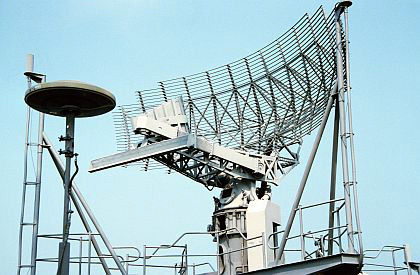
new strategic radar systems will become operational by September 1.
The Iran-made radar systems dubbed Bina and Nazir are installed in two mountainous and plain areas, Esmaeili said.
The radars are capable of detecting small flying targets as well as cruise and semi-ballistic missiles, the commander said, Iran’s Tasnim news agency reported Aug. 29.
Bina and Nazir radar systems possess high accuracy for detecting long-range targets, Esmaeili said, claiming that the two radars are unique in the region due to their technical capabilities.
Esmaeili earlier said that a new radar system will be operational near Iran’s central Tabas city on September 1. He further said that the new radar system will cover areas around 1,000 kilometers in range.
Title:              Unmanned Aerial System
 Sol. #:             W9124L-15-T-0076
 Agency:             Department of the Army
 Office:             Army Contracting Command, MICC
 Location:           MICC - Fort Sill
 Posted On:          Aug 29, 2015 7:23 pm
 Base Type:          Combined Synopsis/Solicitation
 Link:               https://www.fbo.gov/notices/db7cec5101a8468c4d3f95d4397f5391